
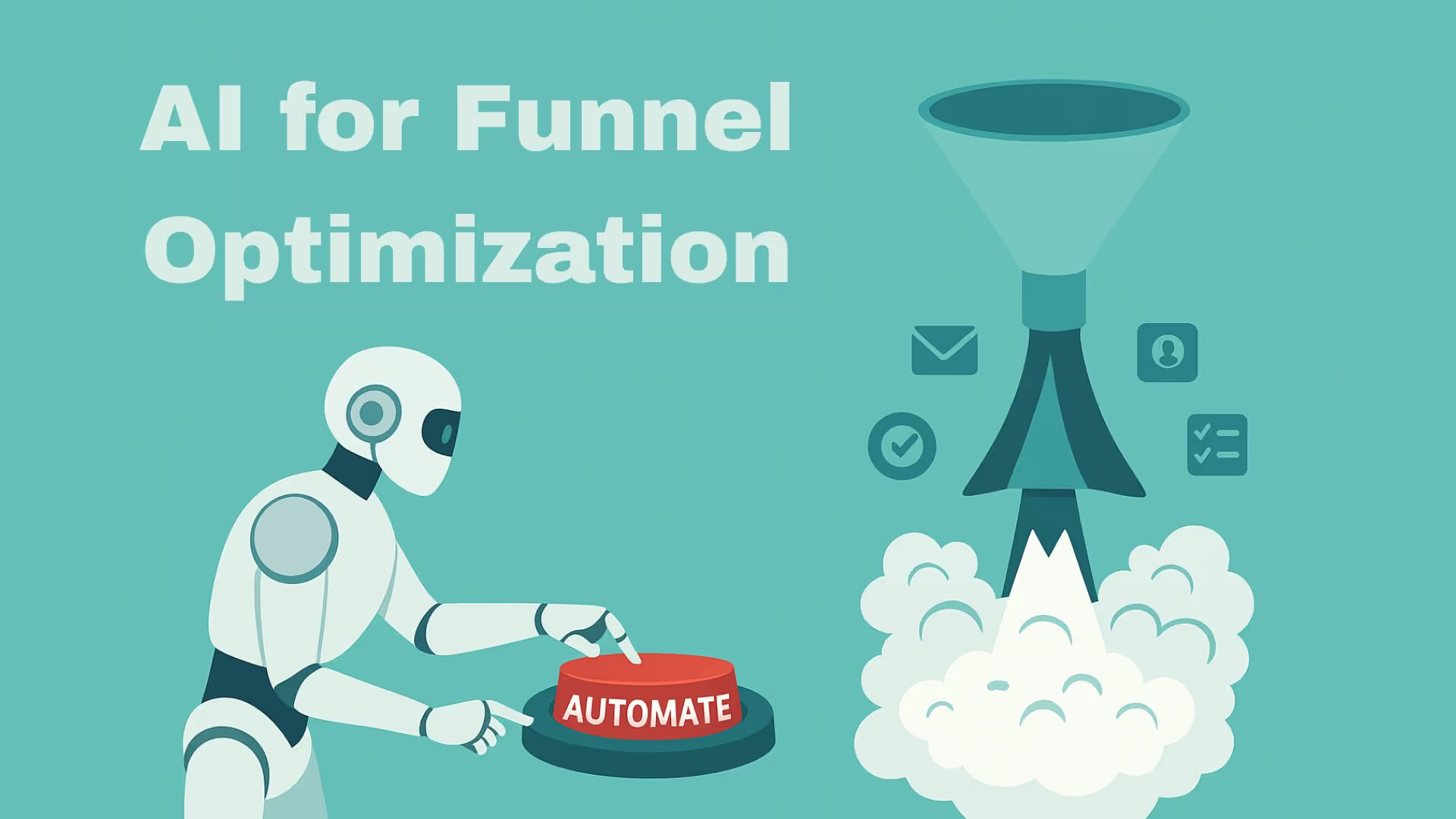


Every day a new AI app is launched in the market, overwhelming sales leaders about which one is real and which is hype.
This post will teach you how to cut through the noise and identify the right AI sales tool for your needs.
What is AI sales automation?
identifying the problem is the first step to deciding what in your business requires automation.
Conduct a ‘Sales Funnel’ audit before buying
Understand what is broken in your sales process before jumping to solutions.
Ask yourself:
- Do we struggle to find leads? (Top of Funnel problem)
- Do we struggle to get replies? (Mid Funnel problem)
- Do we struggle to close deals? (Bottom of Funnel problem)
- Do we struggle to retain or grow existing customers? (Post-Sale problem)
If you've figured the area that needs a fix, move on to find an AI sales automation tool to fix it.
How does AI sales automation optimize the sales funnel?
Top of Funnel (Lead Generation + Outreach)
This is the awareness stage where prospects are starting to recognize a problem. Outbound outreach and targeted campaigns reach them before they come looking for you.
AI helps with:
- Prospecting: Find companies that match your ICP.
- Finding verified emails: Tools infer likely email formats for a company and run verification checks before you send.
- Personalized outreach: AI pulls public information, such as recent news and LinkedIn posts, and works it into the email.
- Outbound automation: Manages the sequence and timing of emails and calls.
- Ad targeting optimization: AI adjusts bids and creative variants by audience signals, so the right ad reaches likely buyers. AI sales tools can run this alongside outreach.
Mid Funnel (Lead Qualification + Nurturing)
In this stage, the buyer is considering solutions and the salesperson is qualifying the buyer to separate real opportunities from poor fits.
AI helps with:
- Lead scoring: Uses predictive scoring to analyze closed-won and closed-lost deals and identify hidden patterns. For example, leads who visit the pricing page twice in one week may score higher.
- Automated follow-ups: Sends nurture emails to those that have gone cold in a sequenced manner so no lead is left unattended.
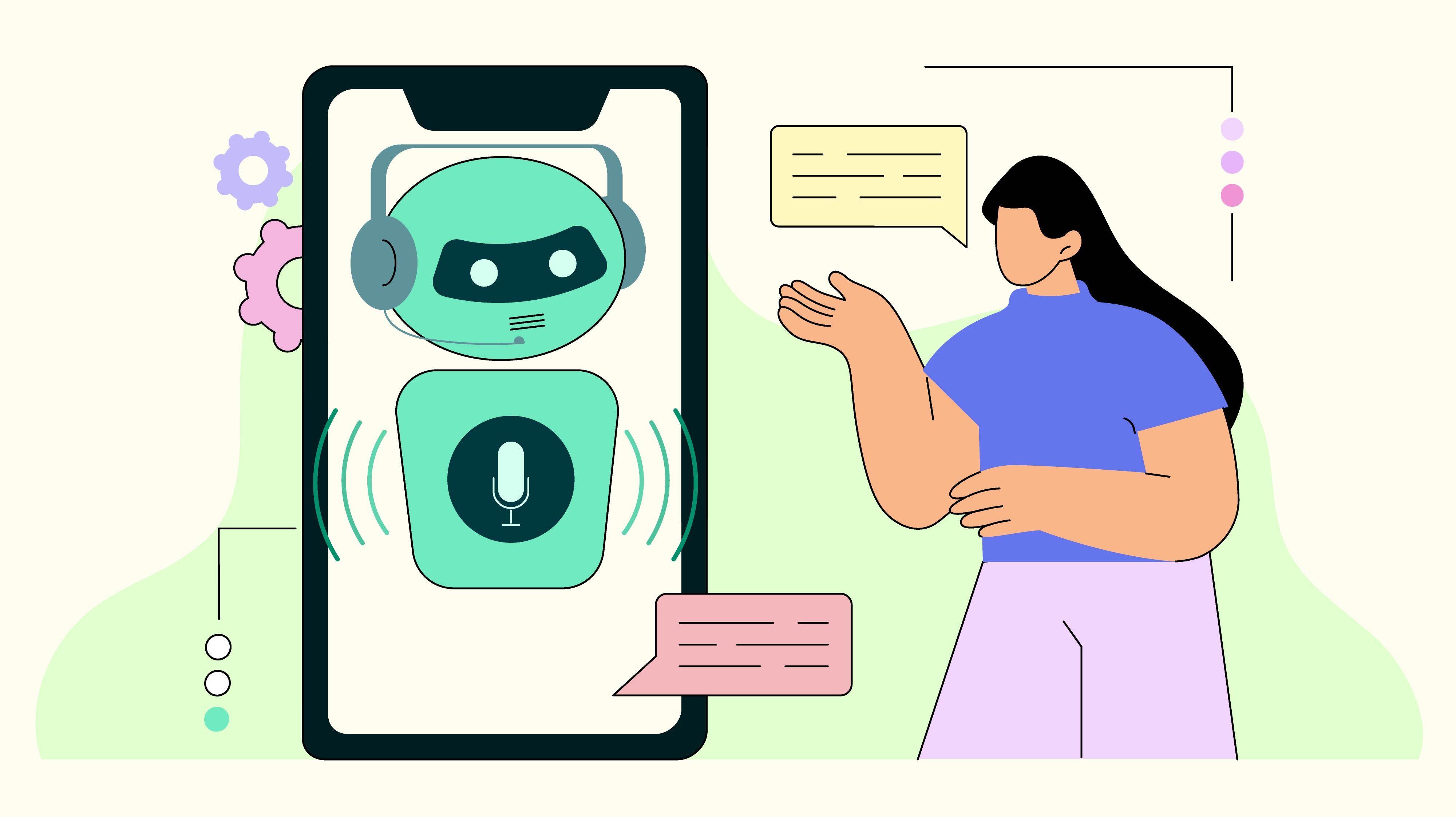
- Chatbots that pre-qualify leads: Conversational AI works like a 24/7 SDR. It qualifies leads by asking Budget, Authority, Need, and Timeline (BANT) questions, and books a meeting in the rep's calendar if they match all criteria.
Bottom Funnel (Deal Closing + Forecasting)
In this stage, the buyer is in decision mode, while the salesperson negotiates and closes the deal.
AI helps with:
- Sales call analysis: AI records calls, transcribes them, and analyzes sentiment (did the customer sound convinced/happy/angry) and talk-to-listen ratio (did the rep speak too much?).
- Deal insights: AI flags deal risks. For example, it might alert a manager: "This deal is set to close Friday, but the decision-maker hasn't emailed back in 12 days."
- Pipeline health: AI sales tools update lead info on the CRM and flag stalled deals (for example, no stage update in 20 days), so managers can step in and re-engage the contact.
- Forecasting: Analyzes data by combining deal score, win probability (the chance a deal closes, based on buyer behavior such as opening and replying to emails) and historical patterns to forecast revenue more accurately.
Post-Sale (Retention + Upsell)
This is the retention and expansion stage, where the goal is to keep customers and grow accounts.
AI helps with:
- Churn prediction: AI sales tools analyze product usage. If a user stops logging in or the usage of a key feature drops significantly, they are flagged as 'at-risk' early enough for the team to reach out.
- Behavior-based triggers: Identifies moments to upsell. For example, if a customer hits 90% of their data limit, AI can auto-trigger an email suggesting an upgrade to the next tier.
- Automated renewal reminders: AI tracks contract end dates and drafts a reminder email for the account manager to review 90, 60, and 30 days before renewal.
Here's a success story on how automation helped Rippling improve their performance.
Rippling increasing win rates and LTV using Gong
Challenge
Rippling needed to streamline performance across a rapidly expanding Go-to-Market (GTM) operation that included over 45 products and thousands of accounts. They were facing:
- Missed signals during discovery and implementation.
- Slower-than-necessary deal cycles.
- Inconsistent customer onboarding processes.
Solution
Rippling implemented the Gong Revenue AI Platform across its sales and account management teams to enable smarter sales enablement and proactive retention. They used Gong for:
- Scaling best practices and improving deal execution by sharing top-performing calls and snippets.
- Identifying churn signals proactively using sentiment analysis.
- Creating playbooks based on call data to eliminate unnecessary questions during onboarding.
Result
By leveraging Gong's AI-powered insights, Rippling achieved significant improvements:
- Win Rates increased by 13%.
- Customer Lifetime Value (LTV) climbed 15%.
- Customer onboarding time was reduced by over 20%.
- Deal cycles were shortened by 10%.
How to choose the best AI sales platform
A compelling AI sales tool solves a problem you can name, works with the data you already have, and gives your team a reason to use it every day. Use these questions to test any tool:
- Does it integrate with your existing CRM and does data sync both ways?
- Is it scalable with your business growth?
- Does the tool comply with necessary guidelines for data privacy, call recording, and outreach consent in your markets?
- Does it require a heavy set-up or is it easy to implement and what support does the vendor provide during onboarding?
- Will it help improve pipeline and forecast revenue better?
- Can you see why it produced a score or prediction?
- Where is your data stored, and is it used to train the vendor's models?
- What is the pricing model: per seat, per usage, or a platform fee?
Call recording and cold email are governed by consent and privacy rules that vary by country, so confirm requirements with your legal team before you switch anything on.
Conclusion
AI will not replace salespeople, it is here to help them work faster, smarter and make data-driven decisions. The earlier you adopt, you gain a competitive advantage in the market.
Identify the issue, pick your tool list, book a demo, run CRM trials, and see the difference for yourself.



%201%20(1).svg)
.svg)
.svg)
.svg)
.svg)