


TL;DR
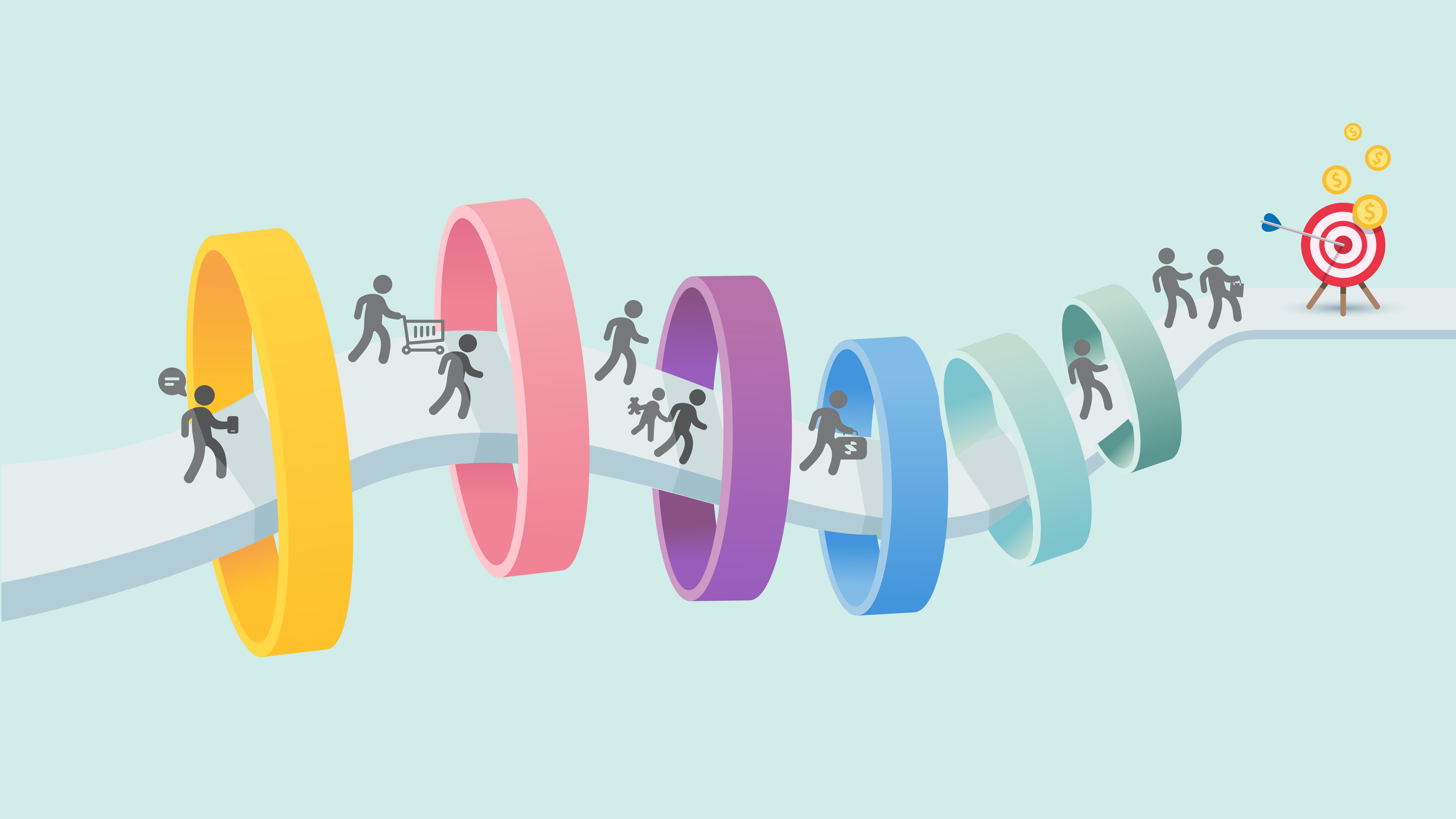
- Market segmentation is the process of dividing a broad market into smaller groups of customers with similar characteristics, needs, or behaviors so that businesses can deliver more relevant products and marketing.
- The four main types of market segmentation are demographic, geographic, psychographic, and behavioral, each offering unique insights into customer preferences.
- Effective segmentation involves researching your audience, creating meaningful customer groups, selecting target segments, and continuously optimizing campaigns based on performance.
- Indian brands like Zomato, Nykaa, and HDFC Bank use market segmentation to personalize customer experiences and improve engagement.
- Unlike customer segmentation, which focuses on existing customers, market segmentation helps businesses identify and target potential customers before acquisition.
- A CRM simplifies market segmentation by centralizing customer data, automating audience segmentation, tracking customer behavior, and providing AI-powered insights for personalized marketing.
- Track metrics like conversion rate, CAC, CLV, engagement rate, retention rate, and churn rate to measure how well each segment performs.
- Avoid common mistakes such as relying only on demographic data, ignoring customer behavior, creating too many segments, failing to update segments, or assuming everyone in a segment has identical needs.
What is market segmentation?
Types of market segmentation
1. Demographic segmentation
Demographic segmentation groups customers based on measurable personal characteristics. Since demographic data is relatively easy to collect and analyze, it's one of the most widely used segmentation methods.
Common demographic variables include:
- Age
- Gender
- Income
- Occupation
- Education
- Family size
- Marital status
For example, a luxury watch brand may target high-income professionals, while a toy company focuses its marketing on parents with young children. Understanding these demographic traits helps businesses create products, pricing strategies, and marketing messages that resonate with specific audiences.
2. Geographic segmentation
Geographic segmentation divides customers based on their physical location. Consumer preferences often vary depending on where they live, making location an important factor when designing products and campaigns.
Businesses can segment audiences by:
- Country
- State or region
- City
- Climate
- Urban, suburban, or rural areas
For instance, a clothing retailer may promote winter jackets in colder regions while advertising lightweight apparel in tropical climates. Similarly, a restaurant chain might customize its menu to reflect regional tastes and preferences.
3. Psychographic segmentation
Psychographic segmentation categorizes customers based on their lifestyles, values, interests, attitudes, and personalities. Unlike demographic segmentation, which focuses on who customers are, psychographic segmentation helps businesses understand why they make purchasing decisions.
Common psychographic variables include:
- Lifestyle
- Interests
- Values and beliefs
- Personality traits
- Hobbies
- Social status
For example, an eco-friendly skincare brand may target environmentally conscious consumers who prioritize sustainable products, while a luxury travel company may focus on customers seeking premium experiences and exclusivity.
4. Behavioral segmentation
Behavioral segmentation groups customers according to how they interact with a brand, product, or service. It focuses on purchasing habits and customer actions, making it highly valuable for creating personalized marketing campaigns.
Behavioral segmentation may include:
- Purchase history
- Buying frequency
- Product usage
- Brand loyalty
- Benefits sought
- Customer journey stage
- Occasion-based purchases
For example, an eCommerce business might reward loyal customers with exclusive discounts, recommend products based on previous purchases, or send personalized offers to shoppers who have abandoned their carts. By understanding customer behavior, businesses can improve engagement, increase conversions, and strengthen long-term customer relationships.
How does market segmentation work?
1. Conduct market research
The first step is gathering data about your target market through surveys, customer interviews, website analytics, social media insights, CRM data, and industry research. The goal is to understand who your customers are, what they need, and how they make purchasing decisions.
2. Identify segmentation criteria
Next, businesses determine the variables they'll use to divide their audience into meaningful groups. These criteria typically fall under demographic, geographic, psychographic, or behavioral segmentation, depending on the business objectives.
For example, an online fashion retailer may segment customers by age, location, shopping habits, and style preferences.
3. Create customer segments
Once the data is analyzed, customers are grouped into segments that share similar characteristics. Each segment should be large enough to be profitable, clearly distinguishable from others, and relevant to the business's products or services.
For instance, a fitness brand may create segments such as beginners looking for affordable equipment, fitness enthusiasts seeking premium gear, and professional athletes requiring high-performance products.
4. Evaluate and select target segments
Not every customer segment offers the same business value. Companies evaluate each segment based on factors such as market size, purchasing power, growth potential, competition, and alignment with their offerings. They then select the segments that present the best opportunities.
5. Develop targeted marketing strategies
After choosing the target segments, businesses tailor their marketing efforts to address each group's unique needs and preferences. This may involve creating personalized messaging, customized product recommendations, targeted advertisements, pricing strategies, or promotional offers that resonate with each audience.
6. Launch and monitor campaigns
The final step is implementing marketing campaigns and continuously tracking their performance using metrics such as conversion rates, customer engagement, retention, and revenue. Customer preferences evolve over time, so businesses should regularly review and refine their market segments to keep their marketing strategies relevant and effective.
Market segmentation examples
1. Zomato
Zomato uses geographic and behavioral segmentation to deliver a personalized food ordering experience. It recommends restaurants based on a user's location, previous orders, cuisine preferences, and ordering habits. During festivals or local events, Zomato also promotes relevant restaurant offers and seasonal dishes, making its recommendations more personalized and timely.
2. Nykaa
Nykaa combines demographic, psychographic, and behavioral segmentation to serve different customer groups. It offers separate product categories for skincare, makeup, luxury beauty, and men's grooming while recommending products based on browsing history and past purchases. It also creates targeted campaigns for beauty enthusiasts, professionals, and first-time shoppers.
3. HDFC bank
HDFC Bank uses demographic, behavioral, and life-stage segmentation to offer tailored financial products. Students may receive education loans and youth accounts, salaried professionals are targeted with salary accounts and credit cards, while business owners and high-net-worth individuals receive specialized banking and wealth management solutions. This enables the bank to deliver products that align with each customer's financial needs.
Market segmentation vs customer segmentation
How CRM helps with market segmentation?
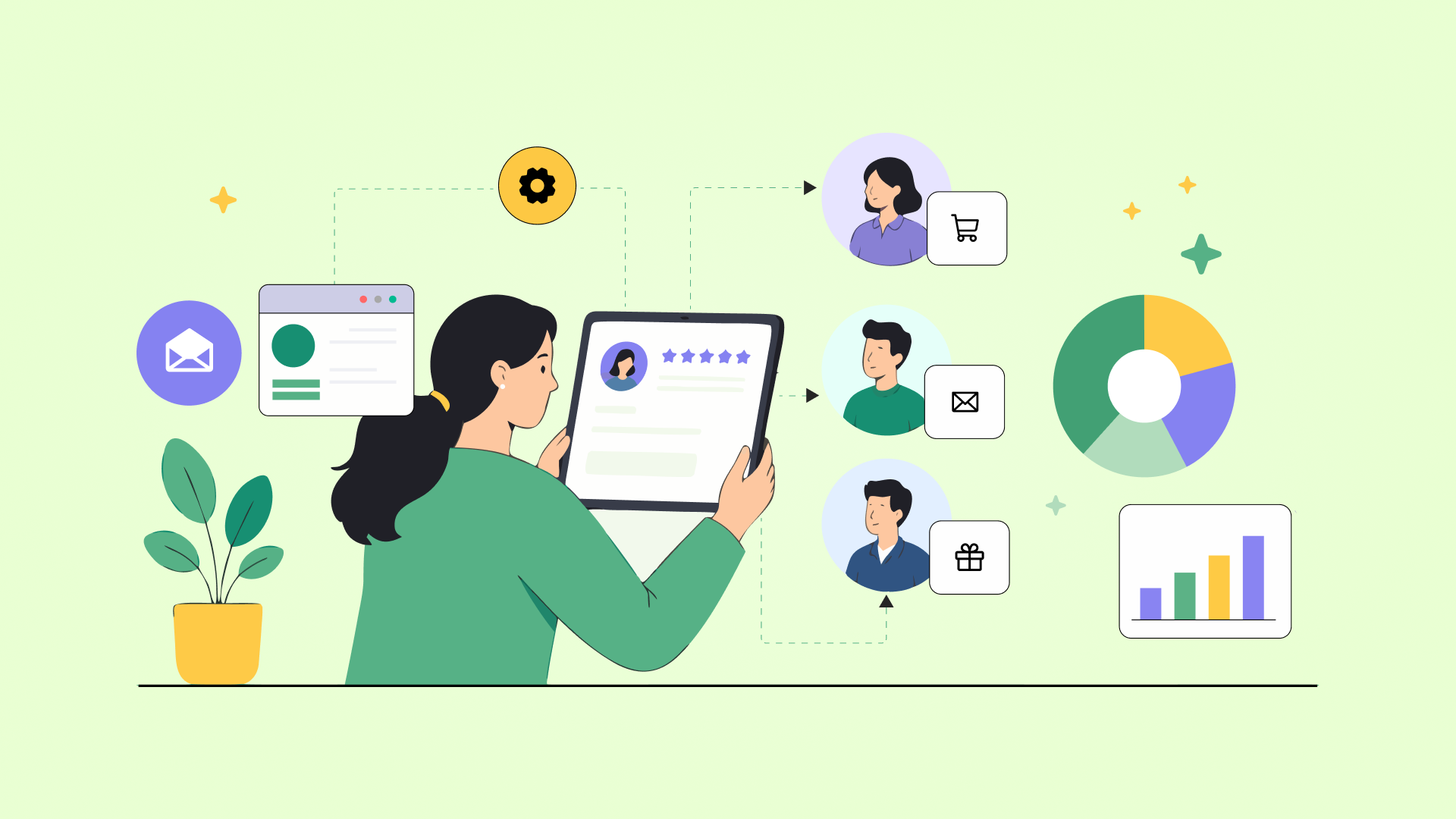
A CRM system plays a crucial role in effective market segmentation by bringing customer data, interactions, and insights into a single platform. Instead of relying on scattered spreadsheets or disconnected tools, businesses can use a CRM to create accurate customer segments, personalize marketing campaigns, and make data-driven decisions. Here's how a CRM supports market segmentation:
1. Centralized customer data
A CRM stores customer information including contact details, demographics, purchase history, communication records, and website interactions in one centralized database. This gives businesses a complete view of every customer, making it easier to identify patterns and group customers into meaningful segments.
2. Automated customer segmentation
Modern CRMs allow businesses to automatically segment customers based on predefined criteria such as age, location, purchase behavior, industry, lead source, or engagement level. As customer data changes, these segments are updated automatically, ensuring marketing campaigns always target the right audience.
3. Behavioral tracking
CRM systems track customer activities across multiple touchpoints, including website visits, email opens, product purchases, and customer support interactions. These behavioral insights enable businesses to create highly targeted segments based on customer interests, buying habits, and engagement levels.
4. Customer segmentation for personalized marketing
Once customer segments are created, a CRM helps businesses deliver personalized marketing campaigns to each audience. Companies can tailor emails, promotional offers, product recommendations, and follow-up messages based on the unique preferences and needs of every segment, improving customer engagement and conversion rates.
5. Lead scoring and qualification
Many CRM platforms use lead scoring to rank prospects based on factors such as engagement, buying intent, and demographic fit. This allows sales teams to prioritize high value leads while marketing teams can create separate campaigns for leads at different stages of the buyer's journey.
6. Customer lifecycle segmentation
A CRM enables businesses to segment customers according to where they are in the customer lifecycle, such as new leads, first-time buyers, repeat customers, loyal customers, or inactive users. This helps businesses deliver the right message at the right time, improving customer retention and lifetime value.
7. Analytics and reporting
CRM platforms provide dashboards and reports that show how different customer segments perform. Businesses can monitor metrics such as conversion rates, customer acquisition cost (CAC), customer lifetime value (CLV), retention, and revenue by segment. These insights help refine segmentation strategies and improve marketing ROI.
8. AI-powered customer insights
Many modern CRM solutions use artificial intelligence (AI) to uncover hidden customer patterns and predict future behavior. AI can identify high-value customer segments, recommend personalized marketing actions, forecast purchasing trends, and detect customers who are at risk of churning, helping businesses make smarter, data-driven decisions.
9. Improved sales and marketing alignment
A CRM ensures that sales and marketing teams work from the same customer data and segmentation strategy. Marketing can pass qualified, well-segmented leads to sales, while sales teams can provide feedback that further refines customer segments. This alignment creates a more consistent customer experience and improves overall campaign performance.
Market segmentation metrics
1. Conversion rate
Conversion rate measures the percentage of customers within a market segment who complete a desired action, such as making a purchase, signing up for a newsletter, or requesting a product demo. Comparing conversion rates across different customer segments helps businesses identify which audiences respond best to their marketing campaigns and where improvements are needed.
2. Customer acquisition cost
Customer acquisition cost (CAC) measures how much it costs to acquire a new customer within a specific market segment. By analyzing CAC for different segments, businesses can determine which audiences are the most cost-effective to target. A lower CAC generally indicates that marketing campaigns are reaching the right audience efficiently and delivering a better return on investment.
3. Customer lifetime value
Customer lifetime value (CLV) estimates the total revenue a customer is expected to generate throughout their relationship with a business. Tracking CLV by market segment helps organizations identify their most profitable customer groups and allocate resources toward retaining and nurturing these high-value segments.
4. Engagement rate
Engagement rate measures how actively customers interact with a brand across channels such as email, social media, websites, or mobile apps. Metrics like email open rates, click-through rates, time on page, social media interactions, and content downloads provide insights into how well marketing messages resonate with different customer segments. Higher engagement often indicates that a segment is receiving relevant and personalized content.
5. Retention rate
Retention rate measures the percentage of customers who continue doing business with a company over a given period. A high retention rate within a market segment suggests that the business is successfully meeting customer expectations through relevant products, personalized experiences, and effective customer engagement strategies. Monitoring retention across segments also helps identify groups that may require additional support or targeted loyalty initiatives.
6. Churn rate
Churn rate measures the percentage of customers who stop purchasing from or interacting with a business during a specific period. A high churn rate in a particular market segment may indicate poor product-market fit, ineffective targeting, or unmet customer needs. By analyzing churn at the segment level, businesses can uncover the underlying causes of customer attrition and implement strategies to improve satisfaction, retention, and long-term loyalty.
Common market segmentation mistakes
1. Using only demographic data
While demographic information such as age, gender, and income provides valuable insights, relying on it alone can create overly broad customer segments. Customers with similar demographic profiles may have completely different interests, buying habits, and motivations. Combining demographic data with psychographic and behavioral insights gives businesses a more complete understanding of their audience.
2. Ignoring behavioral insights
Customer behavior often reveals more about purchasing intent than demographic characteristics. Ignoring factors such as purchase history, browsing activity, product usage, or brand loyalty can result in generic marketing campaigns that fail to resonate with customers. Incorporating behavioral data enables businesses to deliver more personalized and relevant experiences.
3. Creating too many segments
Segmenting customers into too many small groups can make marketing campaigns difficult to manage and increase operational complexity. Over-segmentation often leads to higher marketing costs without delivering meaningful improvements in results. Businesses should focus on creating a manageable number of actionable segments that are large enough to justify targeted marketing efforts.
4. Not updating segments
Customer needs, preferences, and buying behaviors evolve over time. Segments that were accurate a year ago may no longer reflect the current market. Failing to review and update customer segments regularly can lead to outdated messaging and ineffective campaigns. Businesses should continuously analyze customer data and refine their segmentation strategy to stay aligned with changing market trends.
5. Assuming all customers in a segment are identical
Although customers within a segment share certain characteristics, they are not exactly alike. Assuming every customer has the same needs, preferences, or purchasing behavior can result in overly generalized marketing campaigns. Businesses should treat market segments as flexible groups and continue using customer data and personalization to address individual differences whenever possible.
Conclusion
Market segmentation isn't about reaching more people; it's about reaching the right people. By understanding what different customer groups need, businesses can create personalized experiences, improve marketing ROI, and build stronger customer relationships.
As customer preferences evolve, so should your segmentation strategy. With the right data and a CRM to keep customer insights organized, businesses can continuously refine their audience, deliver more relevant campaigns, and turn better targeting into long-term growth.






.jpg)

.jpg)
























%201%20(1).svg)
.svg)
.svg)
.svg)
.svg)